
FAQs from Our Patients
Listening to our patients is at the heart of good care. This month, we share some of the most commonly asked questions we hear from our patients.
What blood tests should I get every year?
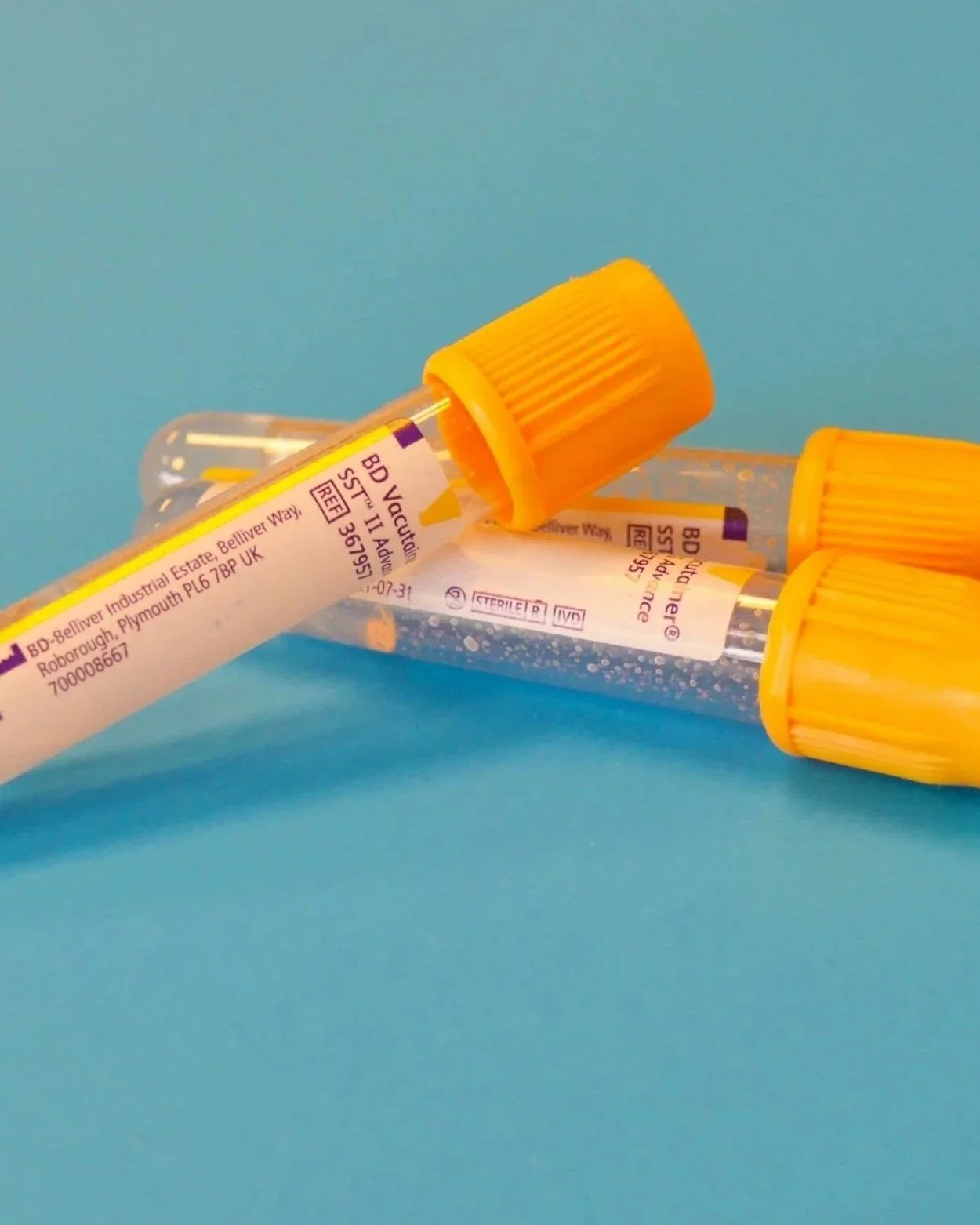
This depends heavily on your age and current health status. While some blood tests are included as part of your annual physical, we may recommend additional blood tests if your annual physical results or historical health necessitate further exploration or information.
At Family Medicine Associates, we do routine lab work, including a comprehensive panel of lab tests tailored to your specific health needs, as part of your annual physical. This means blood work can vary person-to-person.
Learn more about what health screenings we recommend by age here >
Primary Care vs. Urgent Care: Where Should You Go?
Primary care and urgent care both play important roles in keeping you healthy, but knowing which one to choose can help you receive the right care faster.
A primary care physician is your long-term healthcare partner. They get to know your medical history, manage chronic conditions like diabetes or high blood pressure, provide preventive care, perform annual physicals, and coordinate referrals when specialty care is needed. Your primary care provider is also often the best choice for many common illnesses, especially if your practice offers same-day appointments.

Urgent care is designed for non-life-threatening illnesses or injuries that need prompt attention when your primary care provider isn't available. This may include minor cuts, sprains, ear infections, strep throat, urinary tract infections, or cold and flu symptoms.
At Family Medicine Associates of Texas, we offer same-day treatment for many acute illnesses, allowing patients to receive timely treatment from a provider who already understands their health history. Our practice also provides preventive care, chronic disease management, on-site lab services, and treatment for many common illnesses and injuries, helping patients avoid unnecessary trips to urgent care whenever possible.
If you are experiencing a life-threatening emergency, such as chest pain, difficulty breathing, signs of a stroke, or severe trauma, call 911 or go to the nearest emergency room immediately.
When you're unsure where to go, contacting your primary care office is often the best first step. Our team can help determine the most appropriate level of care and schedule an appointment if needed.
What can a family medicine doctor treat?
A family medicine doctor is trained to diagnose, treat, and help prevent a wide variety of health conditions for patients of nearly every age. Whether you need routine preventive care, treatment for an illness, or ongoing management of a chronic condition, a family physician serves as your first point of contact for comprehensive healthcare.

At Family Medicine Associates of Texas, our providers care for teenagers, adults, and seniors by offering services that include annual physicals, wellness exams, vaccinations, women's and men's health, chronic disease management, and same-day appointments for many acute illnesses. We also treat common conditions such as colds, flu, strep throat, urinary tract infections (UTIs), bronchitis, headaches, sprains, strains, and minor injuries. In addition, our team helps patients manage long-term conditions like diabetes, high blood pressure, asthma, arthritis, thyroid disorders, anemia, and other chronic health concerns. On-site lab testing, X-rays, and diagnostic services help make care more convenient and efficient.

Beyond treating illnesses, your family medicine doctor focuses on building a long-term relationship with you, coordinating specialist referrals when needed, monitoring your overall health, and helping you prevent future medical problems through personalized care and preventive screenings. By partnering with a trusted primary care provider, you can receive continuous, comprehensive care throughout every stage of life.
Reach out to us today with any questions!
How often should adults get a physical?
Most adults should schedule a yearly physical exam with their primary care doctor, even if they feel healthy. Annual physicals allow your physician to monitor your overall health, identify risk factors, update vaccinations, review medications, and detect potential health problems before they become more serious. Regular preventive care can also help reduce the risk of developing chronic conditions and improve long-term health outcomes.

At Family Medicine Associates of Texas, we recommend annual wellness exams for adults of all ages.
Our comprehensive physicals include a detailed health history, routine lab work tailored to your needs, a complete head-to-toe examination, blood pressure and weight monitoring, preventive screening recommendations, and a thorough review of your results. When appropriate, additional services such as EKGs, Pap smears, and other preventive screenings may also be performed. Our physicians often conduct annual physicals through a two-visit approach, allowing time to review lab results and develop a personalized plan to help you stay healthy.
Even if you don't have any current health concerns, seeing your primary care provider every year is one of the best ways to protect your long-term health and catch medical issues early when they're often easier to treat.
What should I bring to my first primary care appointment?
Preparing for your first primary care appointment helps your provider get a complete picture of your health and ensures you receive the most personalized care possible. Before your visit, gather your photo ID, insurance card, a list of your current medications (including vitamins and supplements), any recent medical records or test results, and contact information for any specialists you currently see. It's also helpful to know your personal and family medical history and to write down any questions or symptoms you'd like to discuss.

At Family Medicine Associates of Texas, new patients receive access to online paperwork before their appointment, making check-in faster and more convenient. If you prefer, you can also download and complete patient forms before arriving. Our goal is to spend less time on paperwork and more time getting to know you, discussing your health concerns, and creating a care plan that fits your needs.
Your first visit is the beginning of a long-term relationship with your primary care physician, giving you a trusted healthcare partner for preventive care, chronic disease management, and treatment of everyday illnesses.
Can my primary care doctor help me lose weight?
Yes. Your primary care doctor can play an important role in helping you lose weight safely and improve your overall health. Rather than focusing only on the number on the scale, your physician will evaluate your medical history, current health conditions, medications, lifestyle habits, and weight-loss goals to develop a personalized treatment plan.
At Family Medicine Associates of Texas, we offer medical weight loss support that may include nutrition and lifestyle counseling, obesity counseling, ongoing progress monitoring, and, when medically appropriate, FDA-approved weight loss medications, including GLP-1 medications.

Because excess weight can increase the risk of conditions such as diabetes, high blood pressure, heart disease, sleep apnea, and joint problems, achieving a healthier weight can have lasting benefits for your overall well-being. Our providers work with you to create realistic, sustainable strategies that fit your lifestyle while monitoring your progress over time.
If you've struggled to lose weight on your own, scheduling an appointment with your primary care doctor is a great first step toward finding a medically guided plan that supports your long-term health and success.
A relationship with a primary care physician ensures you have a face-to-face in person contact to answer your health questions and ensure you are maximizing your heal