
Is It Allergies or a Cold? Fall Allergy Symptoms in North Texas
Fall in North Texas can bring cooler temperatures, changing leaves—and plenty of sneezing. If you suddenly find yourself dealing with a stuffy nose, scratchy throat, or a nagging cough, you may wonder: Is it fall allergies or a cold?
It’s not always easy to tell. Seasonal allergies and the common cold can share several symptoms, including congestion, sneezing, and a runny nose. And in North Texas, fall allergens like ragweed pollen and mold can make allergy symptoms especially noticeable.
While there’s plenty of overlap, there are a few key differences that can help you figure out what may be behind your symptoms. Here’s what to know about fall allergies in North Texas, how they compare with a cold and when it may be time to see a doctor.

Why Are Fall Allergies So Common in North Texas?
Texas is home to a mixture of beautiful plants and trees, but because of this, it’s also home to a lot of allergen sources.
The most common allergens during the North Texas fall season include:
Ragweed pollen: One of the biggest fall allergy triggers; typically peaks in late summer and fall.
Other weed pollens: Depending on local conditions, weeds can continue releasing pollen well into fall.
Mold spores: Fallen leaves, damp vegetation, and changing weather can contribute to outdoor mold exposure.
And because North Texas falls are full of relatively warm (often still hot) fall weather days, this allows the allergy season to linger.
Mild temperatures may allow plants like ragweed to continue releasing pollen later into the season
Changing weather conditions can cause allergen levels to fluctuate from day to day
Warm, dry, and windy weather spreads pollen through the air, and while rain may temporarily reduce airborne pollen, it can contribute to damp conditions that encourage mold growth
Humidity (a common Texas element) can also support mold spores, making both pollen and mold potential triggers for North Texans well into the fall
Fall Allergy Symptoms to
Watch For
The most common allergy symptoms for the fall include:
Sneezing
Runny or stuffy nose
Itchy nose
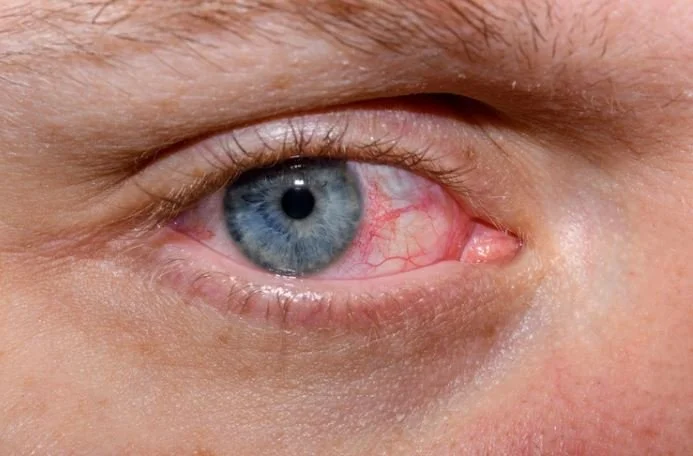
Itchy, watery, or red eyes
Postnasal drip
Scratchy or irritated throat
Cough
Fatigue, particularly when symptoms disrupt sleep
If you have itchy/watery eyes or an itchy nose or throat, these are especially helpful clues pointing toward allergies rather than a typical cold. That being said, persistent allergy symptoms can lead to congestion, sinus infections, and a cold if not properly managed.
Is It Allergies or a Cold? Key Differences
Fall allergies are almost more annoying than the ones that come around in the springtime. Why? Because they overlap with flu and cold season, and many of the symptoms of a common cold and allergies overlap.
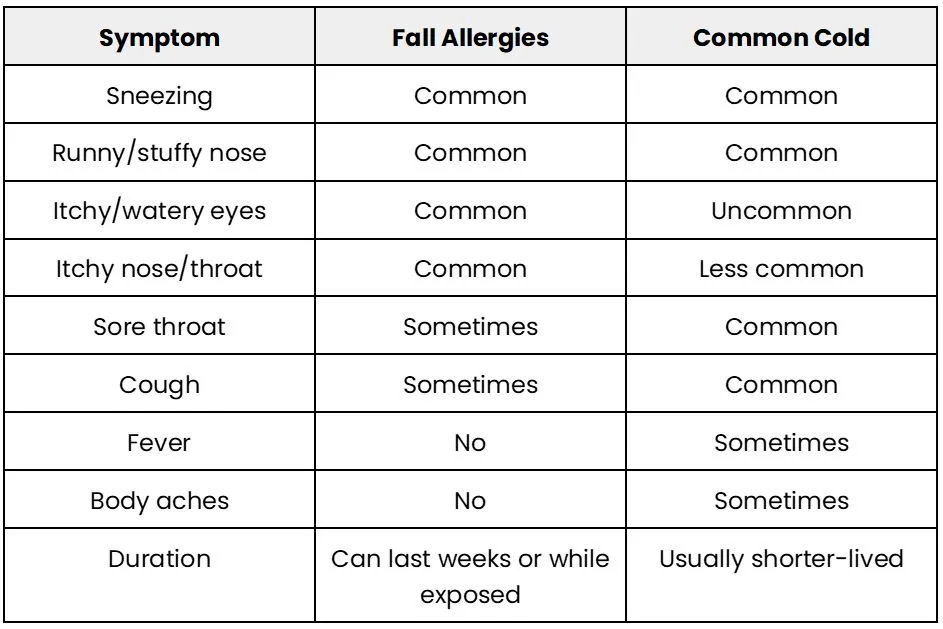
Clues to Differentiate Cold Symptoms from Allergy Symptoms
While symptoms for fall allergies and the common cold do overlap, there are a few clues to help you identify what you're dealing with, including onset, duration, patterns, and contagiousness.
Onset:
Allergy symptoms can appear soon after allergen exposure
Colds develop after infection with a virus
Duration:
Allergies may persist for weeks or recur throughout the season
Colds typically resolve more quickly
Patterns:
Symptoms that consistently worsen outdoors, on windy days, or during certain times of year may suggest allergies
Symptoms that get worse, then go away, are mild and last a few days or a week, suggest a common cold
Contagiousness:
Colds are caused by viruses and can spread from person to person
Allergies aren't contagious
How to Reduce Fall Allergy Symptoms in North Texas
Check local pollen counts before spending extended time outside.
Keep windows closed when pollen counts are high.
Shower and change clothes after spending significant time outdoors.
Avoid bringing pollen indoors on shoes, clothing and pets.
Consider using a HEPA filter indoors.
Follow directions when using over-the-counter allergy medications and talk with a healthcare professional about appropriate options if symptoms persist.
When Should You See a Doctor for Allergy Symptoms?
Seeing a healthcare professional for allergies is really common. We recommend making an appointment with one of our providers if any of the following are true:
Your symptoms aren't improving or are getting worse
Your symptoms interfere with sleep, work, school, or daily activities
Over-the-counter allergy treatments aren't providing adequate relief
You're unsure whether symptoms are allergies or an infection
Your symptoms trigger or worsen asthma
You’re experiencing wheezing or difficulty breathing
Our providers can help identify the cause and recommend the right next steps for relief. Book an appointment today to get the help you need for fall allergies.
Sources:
● https://acaai.org/allergies/allergic-conditions/seasonal-allergies
● https://www.aaaai.org/tools-for-the-public/conditions-library/allergies/hay-fever-rhiniti