
Recommended Health Screenings
Preventive care can go a long way to keeping you healthy and to keeping your healthcare costs down.
For average-risk adults in the United States, different health screenings are recommended based on age.
Depending on your family history, existing chronic conditions, if you are pregnant, or other risk factors (such as smoking or alcohol usage), more frequent screening may be needed or specific tests may be recommended.
Read below to understand what health screenings are recommended for each age group, and when we may recommend other tests or screenings (the ones you may be seeing a lot about online, such as hormone panels, etc.)

Preventive Care Starts with a Physical Each Year
Regardless of age, any adult today should be aiming to get a comprehensive physical done each year to help stay on top of their health and catch any concerns early on (before they become chronic, high-cost conditions).
Our annual physical is comprehensive and covers the following services to support preventive health:
Detailed health history questionnaire
Routine lab work, including a comprehensive panel of lab tests tailored to your specific health needs
Review of health quality measures, such as vaccinations, specialized testing, and lifestyle factors
Physical and vital checks, including blood pressure, weight/BMI tracking, and a complete head-to-toe examination
Comprehensive review and discussion of lab results
EKG (if medically necessary)
Pap smear (for women)
Vaccines and immunization review (you’ll also have these administered during your annual visit if needed)
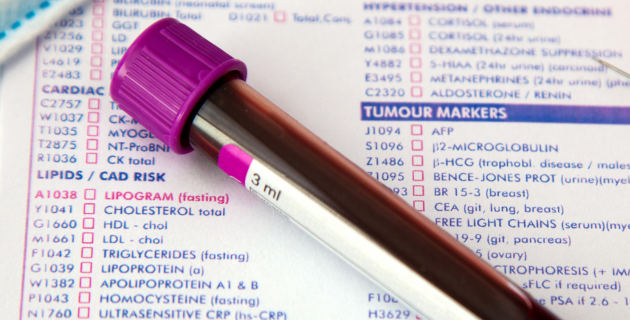
Why is an annual physical so important?
If you look at the above, an annual physical is a good way to capture a lot of key information about your health and to make a decision about if you need further testing or screenings.
This is where the cost part comes in - we never recommend screenings or tests without a reason (aka, data from another screening, test, or lab that indicates further testing may be needed). This is to ensure we help you avoid unnecessary medical costs.
Our team is always here to talk about any screening or test you’re curious about, though! And we’re happy to educate and answer questions, and help you decide if a specific test or screening is really needed.
Considering Other Health Screenings by Age Group
During your annual physical, we may identify medical issues that require further evaluation. In such cases, we may recommend additional diagnostic testing to ensure a comprehensive understanding of your health.
Diagnostic testing and referrals we assist with:
Stress Test
Mammogram
Bone Density Test
Colonoscopy
Other referrals tailored to your specific health needs
Our providers will guide you through the process, ensuring that you receive the necessary tests and consultations with specialists.
Other Health Screenings to Consider and When We Recommend Them
Depending on your age, the following health screenings may be recommended based on your health questionnaire results, discussion with us, and test/lab results.
Some may be recommended annually, while others can be done every few years if you are not experiencing poor health or managing a chronic condition.
Other Health Screenings to Consider for Ages 18-39

Cholesterol
If normal, we may recommend getting this done every 4-6 years.
Diabetes screening
If overweight or obese, or if family risk factors are present, or your bloodwork indicates potential for pre-diabetes, we may recommend doing this annually.
STI (Sexually Transmitted Infection) Screening
Get this annually if youare sexually active.
HIV, Chlamydia, and gonorrhea
Get this at least once for everyone ages 15–65.
Hepatitis C screening
Often recommended at least once between ages 18–79, but this may be recommended more frequently depending on your health results, so we’ll review your labs first before recommending this.
Cervical cancer / Pap test and HPV test:
Ages 21–29: Pap test every 3 years
Ages 30–39: Pap every 3 years, HPV test every 5 years, or combined Pap/HPV every 5 years
Other Health Screenings for Age 40-65

Continue above screenings through age 65 with annual checks for:
Skin exam to look for moles or changes
Discuss with your physician if you have changing moles or high sun exposure.
Eye exam
We usually review your vision health as part of your physical, but if we notice issues or you’re having difficulties, we may recommend a referral to a specialist who may recommend a schedule of testing or annual screenings.
Breast cancer
Discuss with your OBGYN, but in most cases, these are ordered at each OBGYN annual visit, and are recommended every 1-2 years for women over 40. Continue mammograms through age 74, then discuss individually with your physician about more spaced-out screenings
Colonoscopy
Usually starts around age 40 or older, and is done every 10 years, or annual stool-based testing, depending on your physician’s recommendation
Hearing evaluation
If you notice hearing loss, ringing, or difficulty in crowds, get an annual hearing test done by an audiologist. Usually, an audiologist will recommend annual testing to track progressive loss.

Additional Health Screenings for Ages 50-64
Individuals ages 50-64 may also need to consider the following additional tests based on their baseline health and annual health results.
Colorectal cancer screenings: continue regular screenings based on physician recommendations
Lung cancer: yearly low-dose CT scan starting at age 50, and you currently smoke or quit within the last 15 years with at least a 20 pack-year history
Osteoporosis: Women with risk factors may need bone density testing before age 65, so this is something we recommend screening for as early as 50
Prostate cancer: Men ages 55–69 should discuss PSA testing with their physician and whether annual screenings are a good idea, depending on current health status and family risk
Vision and glaucoma screenings: every 1–2 years
Shingles and vaccine review: should be discussed at annual visits with your primary care physician

Finally, individuals ages 65 and older also need to be more aware of bone and heart health, watching their bone density, cholesterol, and overall cardiac health more closely.
The following screenings could be recommended to support this:
Bone density (DEXA): all women age 65 and older
Abdominal aortic aneurysm: one-time ultrasound for men ages 65–75 who have ever smoked
Fall risk screening: yearly
Hearing and vision screenings: yearly
Cognitive/memory concerns: discuss at annual visits and determine if annual testing is a good idea
Colorectal cancer: continue through age 75, then discuss individually
Cervical cancer: may stop after age 65 if prior tests were normal, but this is something to discuss with your OBGYN first
Prostate cancer: Routine PSA screening is generally not recommended after age 70, but continued screenings may be advised based on past risk factor
Important Risk Factors That May Change Health Screening Timing
The above is a general outline of recommendations based on age. It is always imperative to discuss and decide on any health-related screenings, tests, or procedures with your doctor before doing or deciding anything.
A good rule of thumb for knowing when you may need more frequent health screenings, though, is if any of the following are true for you:
Have a strong family history of cancer, heart disease, or diabetes
Have a history of smoking
Are you struggling with obesity
Have high blood pressure or high cholesterol
Are pregnant
Have a weakened immune system
Have had prior abnormal test results
Face occupational exposure (such as asbestos, silica, or loud noise) routinely
How Do We Decide if Other Health Screenings Are Needed?
Just because someone on Instagram says you need it, doesn’t mean you do. We never recommend unnecessary testing or screenings to patients. If an additional test or screening is suggested, it means we’ve already done the following:
Review your primary health markers and results to decide if additional test/screening is needed for more information. Why do we do this? Because multiple things could be causing the issue or condition.
Review your lifestyle considerations and medications to see if changes could provide a resolution. Diet, exercise, stress, and existing medication protocols are all factors that could be influencing certain markers, and we may want to adjust first before asking you to spend money on further testing.
What if I really want to proceed with a certain test? Let’s talk about it! We can help explain the test you’re considering, what information it can provide, and help you decide if it’s something you really need, then go from there!
Sometimes we can save you money by having a discussion first and identifying the root cause or possible reason things are happening that you can change without more testing (and insurance bills).
Not sure if a screening is right for you? Not sure if you need a specific test or need help understanding what’s included in your annual physical? Schedule a visit or contact our team today to discuss your current health and review any recommended health screenings and tests.