
Reducing Stress to Avoid Burnout & Sleep Issues in 2026
As a primary care physician practice, one of the most common concerns we hear from patients is feeling overwhelmed, exhausted, and unable to sleep well. In 2026, many people are juggling demanding jobs, family responsibilities, financial pressures, and constant digital connectivity. Over time, chronic stress can lead to burnout and serious sleep problems.
The good news is that small daily habits can make a big difference. Understanding how stress affects your body and learning practical ways to manage it can help you feel healthier, more energized, and better rested.
What Is Burnout?

Burnout is a state of physical, mental, and emotional exhaustion caused by ongoing stress. It often develops gradually and may go unnoticed until symptoms become severe. The World Health Organization classifies burnout as an occupational phenomenon resulting from chronic workplace stress that has not been successfully managed. It is characterized by exhaustion, mental distance or cynicism toward work, and reduced professional effectiveness. However, burnout can happen from other sources of stress as well.
Common signs of burnout include:
Feeling tired even after resting
Lack of motivation
Difficulty concentrating
Increased irritability
Feeling detached from work or personal activities
Frequent headaches or muscle tension
Changes in appetite
Trouble sleeping
Burnout is not simply being tired after a busy week. It is a long-term response to prolonged stress that can affect overall health and quality of life.
Stress and Burnout Aren’t the Same Things
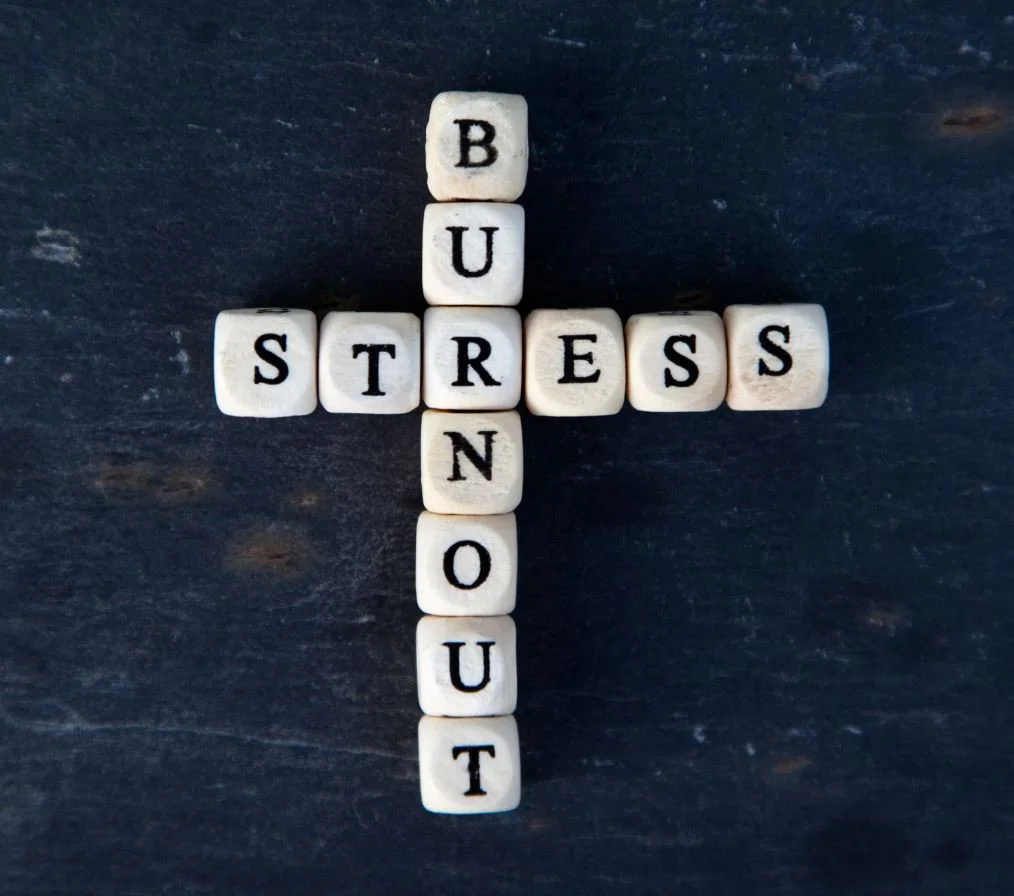
Stress is typically associated with feeling overwhelmed and over-engaged, while burnout develops after prolonged exposure to stress and is marked by depletion, disengagement, and emotional exhaustion. But they are related.
Chronic stress keeps the body's stress-response system activated, which makes stressed-out individuals more vulnerable to sleep disturbances and insomnia.
The relationship between sleep and burnout also appears to be bidirectional. Poor sleep increases the risk of burnout, and burnout can further disrupt sleep quality, creating a cycle that is difficult to break.
How Stress Affects Sleep
Stress and sleep are closely connected. Research has found that people experiencing burnout are more likely to report insomnia, fragmented sleep, and non-restorative sleep compared with those who are not burned out.
When you are stressed, your body releases hormones that keep you alert and prepared to respond to challenges. While this response is helpful in emergencies, it becomes a problem when stress is constant.
You may experience:
Difficulty falling asleep
Frequent waking during the night
Early morning awakening
Restless or poor-quality sleep
Feeling unrefreshed in the morning
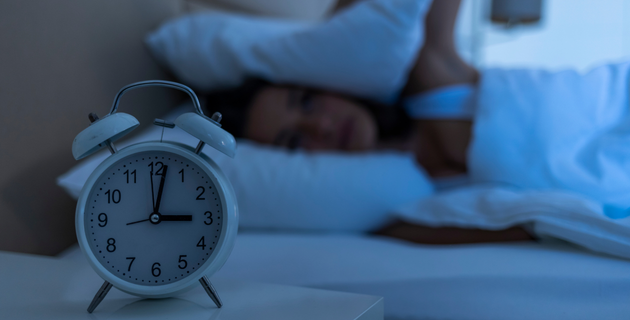
Unfortunately, poor sleep can increase stress levels, creating a cycle that becomes difficult to break. Insufficient sleep can impair attention, memory, decision-making, concentration, emotional regulation, and overall cognitive performance. Many people underestimate how much chronic sleep loss affects them.
Why Stress Management Matters in 2026
Technology has made life more convenient, but it has also made it harder to disconnect. Many people feel pressure to be available around the clock through emails, messages, and social media.
Managing stress is no longer just about feeling better emotionally. It is an important part of protecting your physical health, mental well-being, and sleep quality.
Stress management is critical to helping you to prevent burnout and avoid sleep issues that can cascade into larger health problems.
Chronic sleep deprivation has been associated with increased risks of:
High blood pressure
Type 2 diabetes
Obesity
Heart disease
Stroke
Depression
Anxiety
Plus, research has linked burnout to increased risks of cardiovascular disease, headaches, gastrointestinal problems, chronic fatigue, musculoskeletal pain, and other health issues.
Reducing stress and avoiding burnout are critical to helping your body be and stay healthy.
6 Practical Ways to Reduce Stress
1. Create Boundaries With Technology
Consider setting specific times to check emails and messages.
Try these simple steps:
Turn off nonessential notifications
Avoid work emails before bed
Schedule regular screen-free periods
Keep phones and tablets out of the bedroom
Reducing digital stimulation can help your mind relax before sleep.
2. Prioritize Physical Activity
Exercise is one of the most effective stress-management tools available. Benefits include:
Reduced stress hormones
Improved mood
Better sleep quality
Increased energy
Aim for at least 30 minutes of activity most days of the week. Walking, cycling, swimming, and strength training are all excellent choices.
3. Practice Relaxation Techniques
Even a few minutes each day can help calm your nervous system.
Consider:
Deep breathing exercises
Meditation
Gentle stretching
Yoga
Mindfulness practices
Regular relaxation techniques can improve both stress levels and sleep quality.

4. Maintain a Consistent Sleep Schedule
Your body functions best with a regular sleep routine.
Try to:
Go to bed at the same time each night
Wake up at the same time each morning
Avoid long daytime naps
Create a relaxing bedtime routine
Consistency helps regulate your body's internal clock.
5. Focus on Healthy Nutrition
What you eat can influence both stress and sleep. Helpful habits include:
Eating regular, balanced meals
Staying hydrated
Limiting excessive caffeine
Reducing alcohol consumption
Avoiding heavy meals close to bedtime
A healthy diet supports overall physical and mental health.
6. Stay Connected
Social support is a powerful stress buffer. Make time for:
Family
Friends
Community groups
Support networks
Talking with someone you trust can reduce feelings of isolation and help you manage challenges more effectively.
When to Seek Medical Help
Occasional stress is normal, but persistent symptoms should not be ignored. Consider speaking with our team if you experience:
Ongoing insomnia
Extreme fatigue
Anxiety that interferes with daily life
Depression symptoms
Difficulty functioning at work or home
Physical symptoms such as frequent headaches, chest discomfort, or digestive issues
We can help identify underlying causes and recommend appropriate treatment options and next steps.

Final Thoughts About Stress, Sleep & Your Health
Stress is a normal part of life, but chronic stress does not have to lead to burnout and sleep problems. By making small, sustainable changes—such as improving sleep habits, staying active, setting technology boundaries, and seeking support when needed—you can protect your health and improve your overall well-being.
Prioritizing stress management is one of the most valuable investments you can make in your physical and mental health. Better stress control often leads to better sleep, more energy, and a healthier, more balanced life.
Wondering if something else is going on? Schedule a visit today to discuss your current health and uncover if any underlying health issues may be contributing to or exacerbating sleep issues and stress management.
Sources:
Sleep Health Foundation
Cleveland Clinic