
Flu vs. COVID vs. RSV vs. Cold: Symptoms & Differences
Everyone has been here. You wake up congested, coughing, and exhausted.
Is it a cold?
Do you have the flu? COVID? RSV?
All of these tend to circulate more as the weather cools, but sometimes it can be hard to identify what you’re facing.
Flu, COVID, RSV and Common Cold Symptoms Can Be Similar
Symptoms alone don't always tell you which respiratory virus you have. In fact, the flu, COVID-19, RSV, and viruses that cause the common cold can produce overlapping respiratory symptoms.
The CDC even specifically states that you cannot distinguish flu from COVID-19 based on symptoms alone, and RSV symptoms are also nonspecific and can be difficult to distinguish from a cold, flu, or COVID-19.
Below, we look at the symptoms and differences for the flu, COVID, RSV, and a common cold.
Cold vs. Flu vs. COVID vs. RSV: Symptoms at a Glance
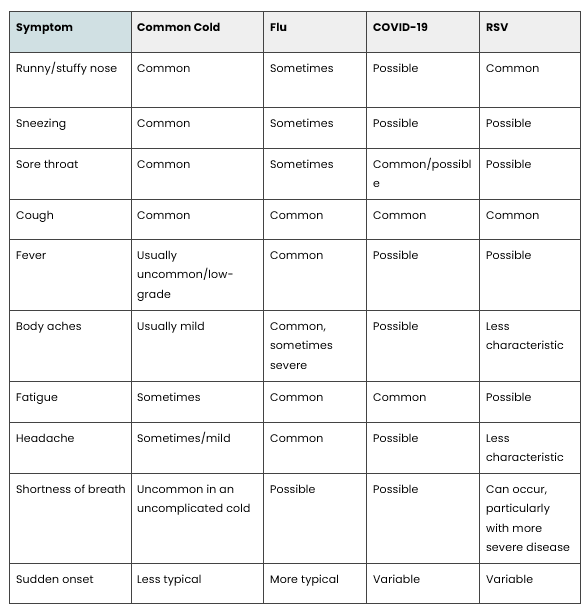
The symptoms for the flu, COVID, RSV, and a common cold are really similar. Take a look at the table outlining symptoms and how likely they are to occur below. It’s quickly apparent why it’s so hard to tell what you have from one or two symptoms alone.
*Note: This is not a diagnostic tool. These are typical patterns only. Do not use this table or blog in place of seeing a healthcare professional.

A Closer Look: What Does a Common Cold Feel Like?
A cold can be caused by a variety of viruses. Colds are viral upper respiratory infections. They can be caused by more than 200 respiratory viruses, but according to the CDC, rhinoviruses are the most frequent cause in the U.S.
Most common symptoms: runny nose, congestion, cough, sneezing, sore throat, headache, and mild body aches.
Symptoms generally peak within 2–3 days.
Green or yellow mucus also doesn't automatically mean you have a bacterial infection or need antibiotics. Mucus changing color after a few days can be normal during a cold, so don’t freak out if this happens.
How long do colds last? Colds usually last less than a week, although some symptoms can persist longer. It really depends on your overall health and immune system. In the U.S., adults typically average 2–3 colds per year, while children often get more.
A Closer Look: What Does the Flu Feel Like?
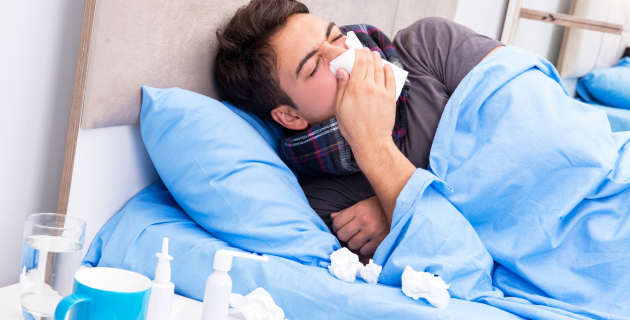
Unlike a cold that can be mild and irritating, the flu often hides you harder and faster. You often hear people say they “feel like I got hit by a truck” when referring to getting the flu.
Compared to the common cold, you are more likely to have the following symptoms with the flu:
Abrupt symptom onset
Fever (not everyone gets this with the flu)
Chills
Significant body aches
Headache
Fatigue or weakness
More significant cough/chest discomfort
A Closer Look: What Does COVID Feel Like?
COVID is sneaky. It can look and feel a lot like both the flu and a cold. There is especially a lot of overlap between the flu and COVID-19.
For example, both the flu and COVID can cause:
Fever/chills
Cough
Shortness of breath
Fatigue
Sore throat
Runny/stuffy nose
Muscle/body aches
Headache
Vomiting or diarrhea
Meanwhile, changes in taste or smell can occur and have historically been more associated with COVID-19.
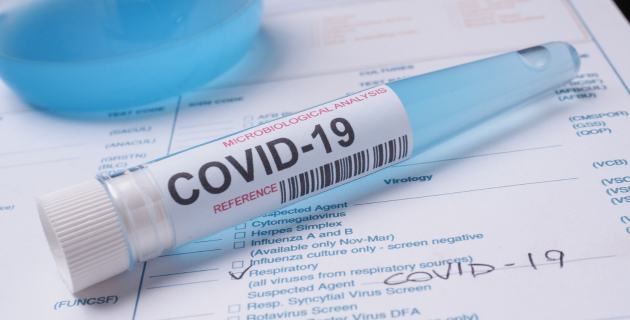
The only way to truly verify if you have COVID, the flu, or a nasty cold, is to take a COVID test. Symptoms for COVID can appear 2-14 days after exposure to the virus, and because symptoms can range from mild to severe depending on the person, a COVID test is critical to confirm diagnosis.
A Closer Look: What Does RSV Feel Like?
RSV is something primarily associated with kids. But adults can get it too.
A common respiratory virus, RSV usually causes mild, cold-like symptoms and can affect the nose, throat, respiratory tract, and lungs.
A cold-weather fiend: Unlike the flu, COVID, or the common cold, RSV tends to circulate during fall and winter and typically peaks in December and January.
A higher risk for those with weakened immune systems and poor health: While most adults have relatively mild symptoms, RSV can cause pneumonia or exacerbate conditions such as asthma, COPD, and heart failure. It’s why adults 75+ and adults 50–74, who are at increased risk of severe RSV illness, are advised to get the vaccine. Infants and older adults are among those at greater risk of severe disease.
So How Do I Know What I Have?
You may not know from symptoms alone—and that's okay.
This is why testing can be useful, especially if you are experiencing more severe symptoms. Getting a clear picture of what you are sick with can help advise what treatment protocol is right and if you need to be cautious around friends and family (so they don’t get sick too).
A good rule of thumb is that if you suspect COVID, take a COVID at-home test as a first step. If you’re not sure what test to take, or if that’s the right first step, it’s a good idea to contact your primary care physician ASAP.

When Should You See a Doctor: Getting the Right Diagnosis Matters
Seeing your healthcare provider is especially important if you think you may have the flu or COVID:
Flu treatment works best when started within about 2 days of symptom onset.
COVID-19 treatment needs to begin within 5–7 days, depending on the medication.
People at higher risk for complications should always contact their healthcare provider promptly rather than waiting for symptoms to become severe.
In general, though, it’s recommended to seek medical care immediately if you’re experiencing any of the following:
Trouble or rapid breathing
Dehydration
Fever lasting longer than four days
Symptoms lasting more than 10 days without improvement
Symptoms that improve and then return or worsen
Worsening of an existing chronic condition
WARNING - emergency warning signs, such as difficulty breathing/shortness of breath, persistent chest pain or pressure, confusion, seizures, or other severe symptoms, should not be ignored. If you are experiencing these, call 911 to seek urgent medical attention.
What Can You Do At Home?
When you’re struggling with the cold or a virus like the flu, COVID or RSV, taking care of yourself is a priority. Here are some supportive at-home measures to take when you’re sick.
Get lots of rest
Drink lots of fluids (water, electrolytes)
Take the appropriate over-the-counter fever/pain medications or prescription medications as directed by your healthcare professional
For colds that are causing congestion, also consider using a humidifier/cool-mist vaporizer, saline nasal spray or drops
Honey in tea for cough in adults and children at least 1 year old is also great if you’re struggling with a sore throat
IMPORTANT TO REMEMBER: Antibiotics don't treat viral infections like colds, flu, COVID-19, or RSV. Unnecessary antibiotics can cause side effects and contribute to antimicrobial resistance. Always follow the directions given by your healthcare provider when taking antibiotics and any medications, or a combination of both.
See Your Primary Care Physician If Uncertain
Not sure whether your cough, fever, or congestion is a cold, flu, COVID-19, or RSV? You don't have to figure it out on your own. Our providers at Family Medicine Associates of Texas can evaluate your symptoms, determine whether testing is appropriate, and discuss your treatment options—particularly when early treatment could make a difference. Use our online scheduling to book an appointment now.