
Author: Caroline Fanous, PA-C
The Short Answer to Holiday Blood Sugar Spikes
Blood sugar tends to spike during the holidays because several things change at once. Meals get bigger and heavier in carbohydrates, eating times shift, drinks add hidden sugar, medication routines slip, and stress and activity levels change. Each of these is a known cause of high blood sugar, and the holidays tend to stack them together.
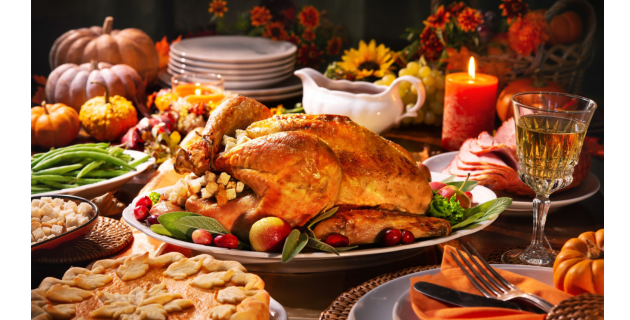
The good news is that you don't have to skip the pecan pie or sit out the family toast. The CDC's own holiday guidance says no food is off-limits and encourages enjoying favorite treats in moderation.
Managing diabetes during Thanksgiving and the holidays is less about restriction and more about a few practical habits: building a balanced plate, pacing your carbs, drinking smart, keeping your medication routine steady, and planning for travel.
Below, the team at Family Medicine Associates of Texas in Carrollton walks through why holiday spikes happen and what you can do about them.
Why does blood sugar rise during the holidays?
Holiday blood sugar spikes usually come from a combination of these factors:
Larger, carb-heavy meals. A meal or snack with a lot of carbohydrates, starches or simple sugars is one of the most common reasons blood sugar runs high. A traditional Thanksgiving plate of stuffing, mashed potatoes, sweet potato casserole, rolls, and pie adds up quickly.
Eating at unusual times. The CDC recommends eating close to your usual times to keep blood sugar steady, which is hard to do when lunch runs into dinner and appetizers come out all afternoon.
Sugary drinks. Beer and sweetened mixed drinks are high in carbohydrates, and mixers like juice and soda add sugar too.
Off-schedule medications. Taking diabetes medicine late, skipping it, or using insulin that has been stored somewhere too hot or cold can all lead to high readings.
Stress and disrupted routines. Stress is a recognized cause of high blood sugar, and blood sugar can fluctuate with changes in sleep, food, activity, and time zones.
Less movement. Being less active than usual can raise blood sugar as well.
Five Tips to Regulate Blood Sugar During Holiday Meals
Tip 1: Build your plate, don't ban foods
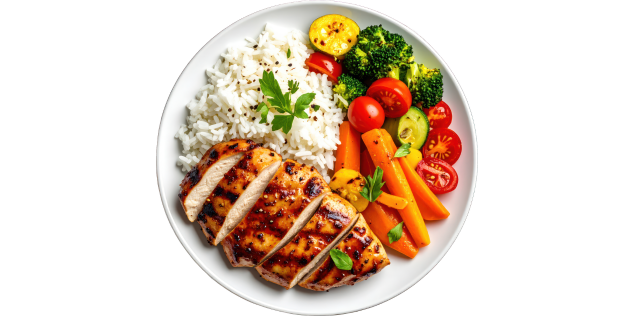
The simplest tool for a holiday meal is the American Diabetes Association's Diabetes Plate Method. On a 9-inch plate, fill half with non-starchy vegetables, a quarter with lean protein, and a quarter with grains, starchy vegetables, or beans.
On Thanksgiving, that might look like:
Half the plate: green beans, roasted Brussels sprouts, salad or other vegetable sides
A quarter: turkey, ham or brisket
A quarter: your favorite starch, whether that's dressing, mashed potatoes or a roll
A few other habits help:
Don't skip meals to "save up" for the big dinner. When you're really hungry, you may be more likely to overeat. And if you take insulin or certain other diabetes medicines, going without food raises your risk of low blood sugar. If dinner is late, consider a small snack at your usual mealtime.
Slow down before seconds. It takes at least 20 minutes for your brain to register that you're full, so wait before deciding on another helping.
Take a favorite home for later. If there are too many treats to fit into one meal, ask your host if you can save one for another day instead of overeating.
Tip 2: Pick your carbs and pace them
A meal or snack heavy in carbohydrates, starches, or simple sugars is a common reason for high blood sugar. For holiday meals, the goal is to choose carbs on purpose rather than by default.
Trade, don't stack. If you're going to have a sweet treat, cut back on other carbs like potatoes, bread, or pasta dishes at that meal.
Eat protein and vegetables first. In a small Weill Cornell study of 11 adults with type 2 diabetes, eating vegetables and protein before carbohydrates led to post-meal glucose levels about 29% to 37% lower in the first hour compared with eating the carbs first. It's an easy habit to try at the holiday table.
Enjoy favorites in moderation. A smaller slice of pumpkin pie, pecan pie or a couple of Christmas tamales still gives you the taste of tradition. No food is on the "naughty list".
Bring a dish you can count on. Offering to bring a healthy dish guarantees at least one option that fits your plan.
If you count carbohydrates to dose insulin, check your blood sugar a couple of hours after the meal to see how your estimate holds up. We also recommend you keep checking your blood sugar even in the middle of holiday festivities to be cautious.
Tip 3: Be smart about what drinks you choose
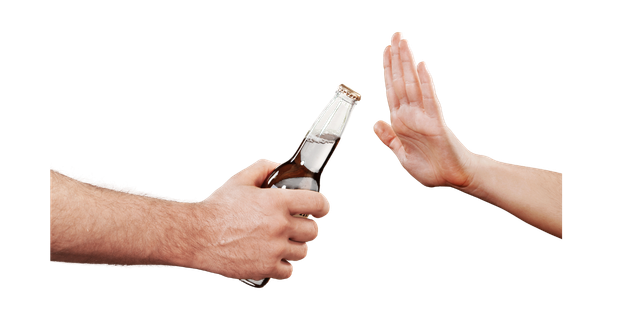
Alcohol can push blood sugar in both directions. Beer and sweetened mixed drinks are high in carbohydrates and can raise it. Alcohol itself can make it drop, because while your liver is processing alcohol, it stops releasing glucose into the blood. That risk lasts for hours after your last drink, and it's highest if you take insulin or certain other diabetes medicines.
If you choose to drink, keep these tips in mind:
Always drink with food and plenty of water, never on an empty stomach or when your blood sugar is already low.
Keep it moderate: no more than one drink a day for women and two for men, and ask your provider what's safe for you.
Skip the sugary mixers. Mix liquor with water, club soda, diet tonic or diet soda instead.
Carry a source of sugar, such as glucose tablets, in case of a low.
Check your blood sugar before bed, and keep checking for up to 24 hours after drinking.
Let someone know you have diabetes. Symptoms of low blood sugar look a lot like being drunk, so the people around you may not realize something is wrong.
Tip 4: Keep your medication routine steady
Holidays scramble schedules, and that's when doses get missed or mistimed. A few safeguards include setting phone reminders, planning medications around late or early dinners, and checking your blood sugar more proactively (and frequently) to be safe.
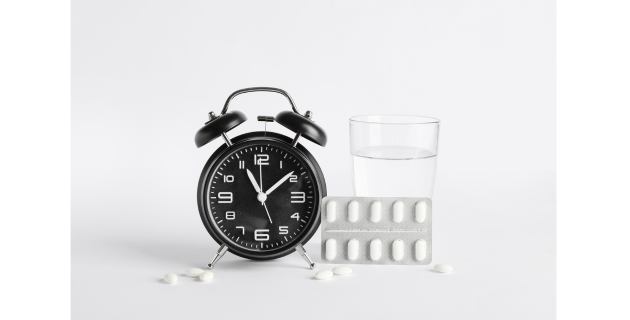
Keep fast-acting sugar like glucose tablets or juice on hand to be safe as well. If you take insulin, extra activity can lead to low blood sugar, and so can drinking, even on a day full of food.
Tip 5: Plan for holiday travel
Whether you're driving to see family in Houston or flying across the country, a little preparation keeps diabetes care from getting lost in the shuffle. These are some tips to keep in mind if you’re preparing to head to someone else’s home:
Pack double your supplies. For a one-week trip, bring two weeks' worth of insulin, medications, test strips, CGM supplies, and pump supplies.
Keep everything in your carry-on. Insulin can get too cold in checked luggage, and if your bags are lost or delayed, you'll still have your medicine.
Keep insulin cool. Carry gel packs, and tell TSA agents you have them along with your diabetes supplies.
Bring snacks and fast-acting sugar. People with diabetes are exempt from the TSA 3.4-ounce liquid rule for medications and for low-blood-sugar treatments like glucose tablets.
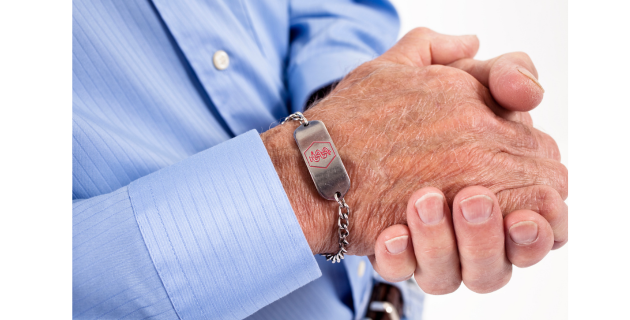
Carry a prescription and a medical ID. A prescription helps if you lose or run out of medication, and a medical ID bracelet lets others know you have diabetes.
Plan your doses across time zones. Set phone alarms for medication, and ask your care team how to schedule insulin if you're changing time zones.
Get up and move. Walk the aisle of the plane every hour, or stop and get out of the car every hour on a road trip.
Sources
Centers for Disease Control and Prevention. Healthy Eating and the Holidays. May 2024.
American Diabetes Association. Nutrition for Life: Diabetes Plate Method (PDF).
MedlinePlus, U.S. National Library of Medicine. High blood sugar – self-care. Reviewed January 2026.
MedlinePlus, U.S. National Library of Medicine. Low blood sugar. Reviewed January 2026.
MedlinePlus, U.S. National Library of Medicine. Diabetes and alcohol. Reviewed April 2025.
MedlinePlus, U.S. National Library of Medicine. Semaglutide Injection. Revised May 2026.
Cornell Chronicle. Food order impacts glucose and insulin levels. June 2015. (Summarizes Shukla et al., Diabetes Care, 2015.)
DiPietro L, et al. Three 15-min Bouts of Moderate Postmeal Walking Significantly Improves 24-h Glycemic Control in Older People at Risk for Impaired Glucose Tolerance. Diabetes Care. 2013;36(10):3262–3268.
UT Southwestern Medical Center. Traveling with diabetes: Tips for packing, snacking, monitoring, and more. November 2023.